What Testing in a Pipeline Actually Needs to Do
Every time a developer pushes code, there is one question that needs an answer: is this change safe to use? Testing in a pipeline exists to answer that question. Not to run tests for the sake of running them. Not to chase 100% coverage. To give confidence that the change can move to the next stage without breaking something that already works.
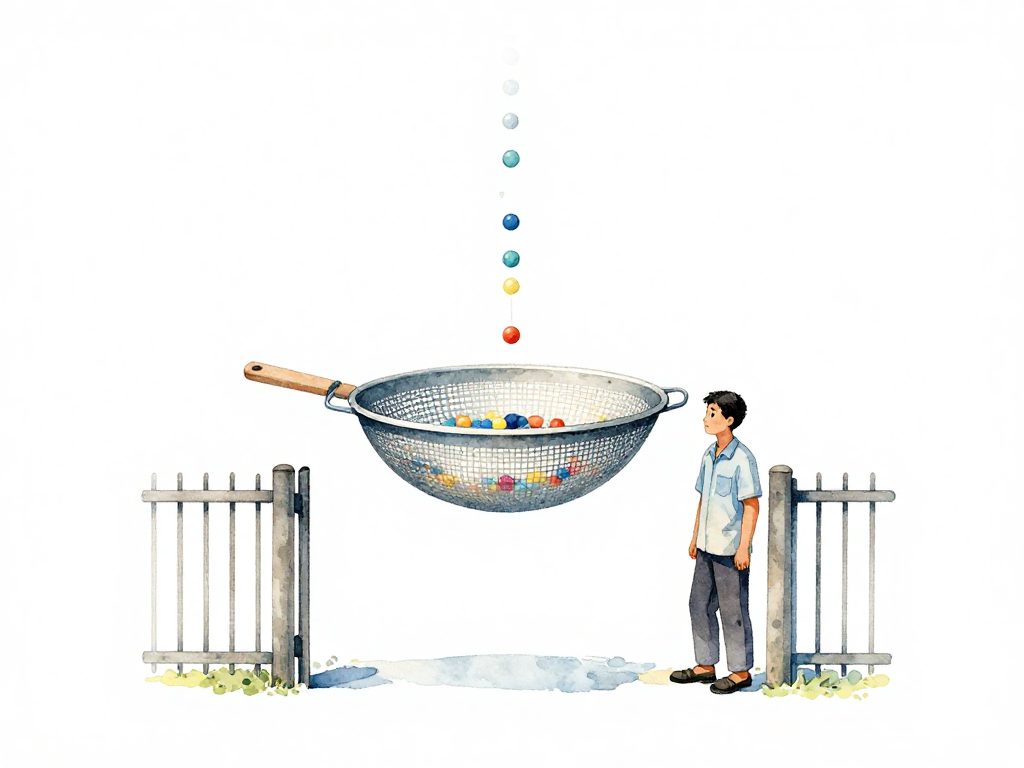
That confidence matters because pipelines run automatically. Once a change enters, the pipeline processes it without waiting for manual approval at every step. Without a mechanism to check whether the change is safe, the risk of damage travels all the way to production. Testing in a pipeline acts as a filter: changes that fail the tests stop there, and changes that pass keep moving forward.
But not every test belongs in a pipeline. Some tests are better run outside it. Exploratory testing done manually by QA to find scenarios nobody thought of. Large-scale performance testing that takes hours and needs dedicated infrastructure. Those tests are important, but they do not belong on the fast path of a pipeline because they slow down feedback to the developer. A pipeline needs tests that are fast, deterministic, and reliable enough to make automated decisions.
What Testing in a Pipeline Is Really For
The purpose is not to catch every bug. That is impossible anyway. The purpose is to catch the bugs that matter before they reach users. A pipeline test suite is a safety net, not a full body armor. It should be designed to filter out changes that would cause visible harm in production.
Think about it this way. A developer changes the payment logic. If that change breaks, users lose money, support tickets flood in, and the business takes a hit. The pipeline needs to catch that. A developer fixes a typo on an error page that almost nobody sees. If that change breaks, nothing really happens. The pipeline does not need to run a full regression suite for that.
This is the core idea behind risk-based testing in a pipeline. The simple version: which parts of the system are most likely to break, and if they break, what is the impact? Parts that change often. Parts that are critical business paths. Parts that are hard to detect problems in manually. Those are the parts that need more attention from pipeline testing.
How to Decide Which Tests Go Into the Pipeline
Start with risk. Not with what tests already exist. Not with what the testing team thinks is standard. Start with what would hurt if it broke.
For a payment system, the pipeline needs tests that verify payment logic deeply. For a user profile page, a lighter check is enough. For a database migration that changes a column type, the pipeline needs to verify that existing data still works and that the application handles the new type correctly. For a UI button color change, a visual regression check might be overkill unless the button is part of a critical flow.
This approach means you do not run every test for every change. You prioritize based on the risk of the change being delivered. That is a practical decision, not a theoretical one. It saves time, reduces pipeline duration, and keeps feedback fast.
Confidence Gates: What the Tests Actually Produce
The output of pipeline testing is evidence. That evidence is used to decide whether a change can move to the next stage, for example from staging to production. This mechanism is often called a confidence gate.
If tests in a stage fail, the gate stays closed. The change stops. If tests pass, the gate opens and the change moves forward. The higher the risk, the tighter the gate needs to be. A low-risk change might only need unit tests and a quick smoke test. A high-risk change might need unit tests, integration tests, security scans, and a manual verification step.
The gate is not about perfection. It is about being good enough to catch the problems that matter before they reach users. A pipeline that blocks every change for every possible issue will block everything. Nobody ships. A pipeline that lets everything through will break production constantly. The balance is in the gate design.
Here is a simple example of how a confidence gate might look in a CI configuration:
stages:
  - test
  - deploy

test:
  stage: test
  script:
    - pytest --junitxml=report.xml
  artifacts:
    reports:
      junit: report.xml

deploy:
  stage: deploy
  script:
    - echo "Deploying..."
  rules:
    - if: $CI_PIPELINE_SOURCE == "merge_request_event"
      when: manual
    - when: never
  needs: ["test"]
  variables:
    CONFIDENCE_GATE_MIN_PASS_RATE: 95
  before_script:
    - |
      PASS_RATE=$(grep -oP 'tests=\K[0-9]+' report.xml | head -1)
      TOTAL=$(grep -oP 'errors=\K[0-9]+' report.xml | head -1)
      RATE=$(echo "scale=2; ($PASS_RATE - $TOTAL) / $PASS_RATE * 100" | bc)
      if (( $(echo "$RATE < $CONFIDENCE_GATE_MIN_PASS_RATE" | bc -l) )); then
        echo "Confidence gate failed: pass rate $RATE% is below $CONFIDENCE_GATE_MIN_PASS_RATE%"
        exit 1
      fi
What Pipeline Testing Does Not Replace
Testing in a pipeline is not a substitute for developer responsibility. Developers still need to make sure their code works before pushing it. The pipeline adds an automated verification layer that is consistent and repeatable every time a change comes in. It catches what humans miss, especially when they are tired, rushed, or working on something complex.
But it does not replace thinking. It does not replace manual testing for scenarios that are hard to automate. It does not replace discussions about whether the change is the right thing to do. It is a tool, not a process.
A Quick Practical Checklist
When you are setting up or reviewing testing in a pipeline, here is a short list to check against:
- Does each test in the pipeline have a clear reason to be there? If not, remove it.
- Is the pipeline fast enough that developers get feedback within minutes? If not, prioritize faster tests over slower ones.
- Are the tests deterministic? Flaky tests destroy trust in the pipeline.
- Do the tests match the risk of the change? A typo fix should not trigger the same tests as a payment logic change.
- Is there a clear gate at each stage? Everyone should know what passing and failing means.
The Concrete Takeaway
Testing in a pipeline is not about running tests. It is about building confidence that a change is safe to move forward. That confidence comes from choosing the right tests based on risk, keeping the pipeline fast enough to give useful feedback, and designing gates that stop problems before they reach users. Start with what would hurt if it broke, and build your pipeline testing from there.