What Happens After Recovery: Turning Infrastructure Failures Into Process Improvements
The monitoring dashboard is green again. The team breathes a collective sigh of relief. The incident is resolved, the service is back, and everyone can finally go home or switch back to their regular work.
This is exactly the moment where most teams lose the most valuable thing they just earned: the lessons from a failure.
When everything is back to normal, the natural instinct is to move on. The pressure is gone, the urgency has passed, and there are other tasks waiting. But if you skip the step of understanding what happened, you are guaranteeing that the next change will fail in the same way, at the same hour, with the same stress.
Start With a Post-Mortem, Not a Blame Hunt
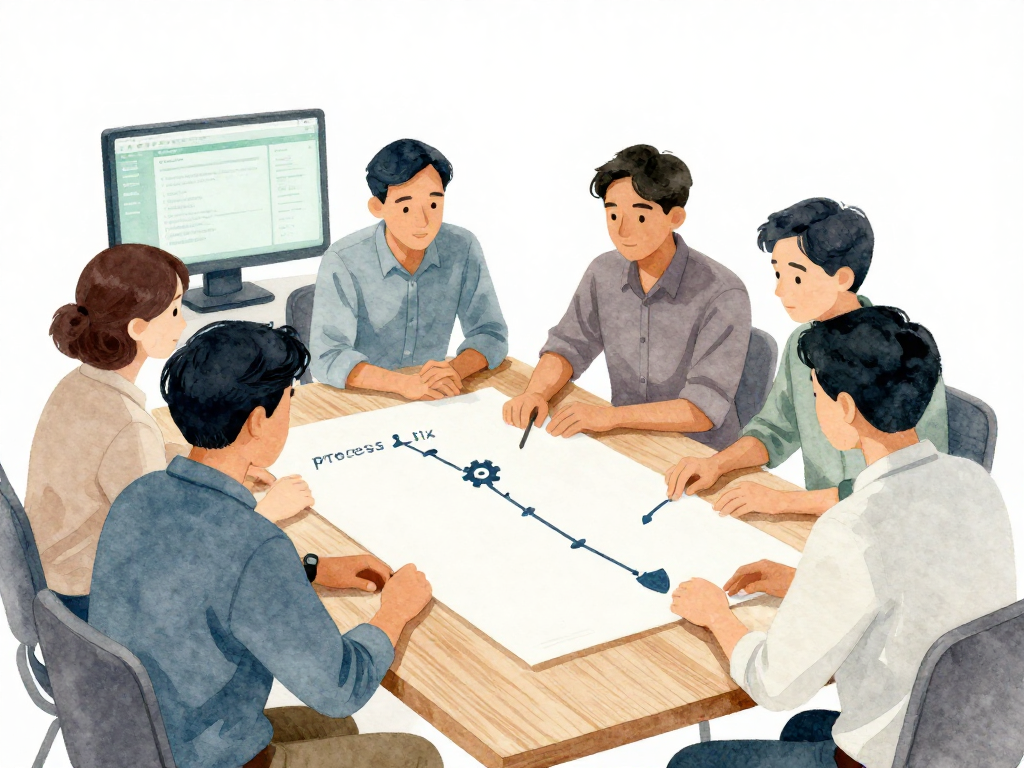
The first thing to do after recovery is a post-mortem. This is not a meeting to find out who messed up. It is a structured process to reconstruct what actually happened: what was planned, what was executed, where things started to go wrong, and how the recovery unfolded.
The following flowchart summarizes the key steps after an incident is resolved:
You need a timeline. Start from the decision to make the change. Include the pipeline review results, the apply step, the first sign of trouble, and every action taken during recovery. Write it down while the details are still fresh. This timeline becomes the raw material for identifying patterns.
The single most important condition for a useful post-mortem is a blameless culture. If people fear being punished for mistakes, they will hide details. They will sanitize their chat logs, omit their doubts, and avoid mentioning the warning signs they noticed but didn't speak up about. A blameless post-mortem does not mean nobody is accountable. It means the focus is on the process that allowed the failure to happen, not on the person who executed the command.
Two Types of Findings
Once you have the timeline and the team feels safe to speak honestly, you will typically find two categories of issues.
The first category is specific to the change that just failed. Maybe a Terraform parameter was incompatible with the latest provider version. Maybe a resource dependency was invisible during planning. Maybe a configuration value was mistyped. These are one-off problems that can be fixed directly.
The second category is systemic. These are the deeper issues that made the failure possible in the first place. The pipeline did not run a plan check before apply. There was no monitoring for that particular resource after changes. The team had no way to detect the anomaly until a user reported it. The recovery plan existed but had never been tested. These are the findings that, if left unaddressed, will cause the next failure to look different but feel exactly the same.
Translate Findings Into Concrete Fixes
Every finding needs to become a change. Start with the pipeline, because that is usually the fastest thing to fix.
If the failure happened because a plan check was skipped, add an automated gate that requires plan inspection before apply. If the monitoring did not catch the anomaly, add the missing metric or alert. If the rollback procedure was unclear, update the pipeline to include a tested rollback step. These are technical changes that can be implemented immediately in the same pipeline that just failed.
Next, update the recovery plan itself. The experience from this incident probably revealed gaps in the original plan. Maybe the restore-from-snapshot step took twice as long as expected because the data volume had grown. Maybe the verification step after restore was missing, so the team did not know the service was healthy until someone manually checked. Update the recovery plan with realistic time estimates, add intermediate verification steps, and document the actual commands that worked.
Document the Experience, Not a Novel
Documentation after a failure does not need to be a formal report that nobody reads. It needs to be a practical record that another engineer can pick up when facing a similar change.
Write down: what change was attempted, what were the early warning signs, what recovery steps were taken, how long each step took, and what was fixed afterward. Keep it short. A page or two is enough. Store it where the team can find it, not buried in a folder that nobody opens.
This documentation is especially valuable for newer team members who have never experienced this type of failure. When they encounter a similar situation, they will have a reference that shows them what to watch for and what to do.
Decide When to Try Again
After all fixes are in place, the team needs to decide when to attempt the same change again. Do not rush this. Do not redeploy on the same day unless the recovery plan has been retested and the root cause is fully understood.
Give the team time to verify that the pipeline changes work. Run a small simulation if possible. Let the fix soak for at least one cycle. The goal is not speed. The goal is to ensure that the next attempt does not repeat the same failure.
A Practical Checklist for Post-Recovery Evaluation
If you want a quick reference for your next post-recovery session, here is a short checklist that covers the essentials:
- Reconstruct the full timeline from decision to recovery
- Identify specific findings unique to this change
- Identify systemic findings that could affect future changes
- Implement pipeline fixes (gates, monitoring, rollback steps)
- Update the recovery plan with realistic estimates and verification steps
- Write a short practical document for future reference
- Schedule the next attempt only after fixes are verified
The Real Cost of Skipping This Step
Every infrastructure failure costs something: time, stress, user trust, and sometimes money. That cost is already paid. The only way to get a return on that investment is to learn from it and improve the process.
If you skip the evaluation, you will face the next failure with the same fragile process, the same gaps in monitoring, and the same untested recovery plan. The failure will feel different, but the pattern will be the same.
The teams that improve over time are not the ones that never fail. They are the ones that treat every failure as tuition for a lesson they will not have to pay for again.