Blast Radius: How to Decide Which Recovery Strategy You Actually Need
Every infrastructure change carries risk. Some risks are tiny. Some can take down your entire business. The question is not whether you should make changes -- you have to. The question is how prepared you are to recover when something goes wrong.
When a team discusses recovery plans, the conversation often jumps straight to technical options: should we roll back? Restore from snapshot? Failover to another environment? But before you pick a recovery strategy, you need to answer a more fundamental question: how bad will it be if this change fails?
That is where blast radius comes in.
What Blast Radius Actually Means
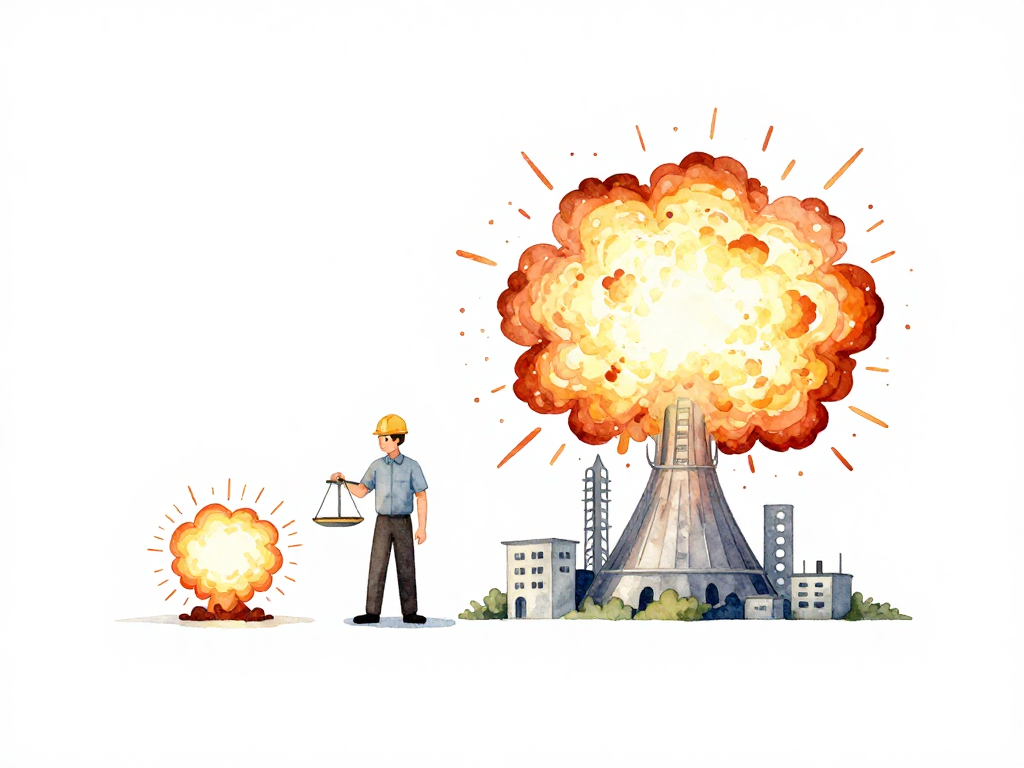
Blast radius is a simple concept borrowed from explosives engineering. In infrastructure, it describes how far the damage spreads when a change goes wrong. The wider the blast radius, the more resources, users, and systems get affected. The narrower it is, the easier the recovery.
Consider two scenarios.
First, a team updates a security group rule for a single development database instance. If the change is wrong, the development team cannot access that database for a while. Annoying, but contained. The recovery plan can be as simple as reapplying the old configuration.
Second, a team modifies the main load balancer that handles all production traffic. If that change breaks, every single user loses access. Customer support gets flooded. Sales stops. The company's reputation takes a hit. The blast radius is enormous.
Same action -- changing a configuration. Completely different consequences.
How to Estimate Blast Radius Before You Change Anything
Before you touch any infrastructure, ask yourself one question: if this change fails, who or what gets affected?
The answer usually falls into a few categories:
- One server or container
- One environment (like staging or a single availability zone)
- One region
- The entire infrastructure
Some resources naturally have a narrow blast radius. Individual instances, containers, or serverless functions typically affect only a small part of the system. If one instance dies, other instances keep serving traffic. Recovery is straightforward.
Other resources have a naturally wide blast radius. DNS zones, primary load balancers, production databases, VPC or subnet configurations, and service mesh control planes can paralyze multiple systems with a single mistake. These resources demand extra care, more thorough recovery plans, and often stricter approval processes.
Blast Radius Is Not Fixed -- You Can Design It Smaller
Here is the part that many teams miss: blast radius is not just something you estimate. It is something you can actively reduce through design.
Instead of one giant load balancer handling all traffic, split it into multiple load balancers, each serving a specific part of your system. Instead of changing a production database configuration directly, test the change on one replica first. Instead of deploying a new version to all users at once, use a canary deployment that starts with one percent of traffic.
These are not just deployment strategies. They are blast radius reduction techniques. Every time you limit how many users or systems a change can affect, you make recovery simpler and faster.
Matching Recovery Strategy to Blast Radius
Once you understand the blast radius, choosing a recovery strategy becomes clearer. Here is how the two connect in practice:
Here is a decision tree to help you match the blast radius to the right recovery strategy:
Narrow blast radius (single instance, container, or function): Reapplying the old state is usually enough. You might not even need a formal recovery plan beyond "revert and redeploy."
Medium blast radius (one environment, one region, or a group of related resources): Snapshot restore or state file rollback becomes more appropriate. You need a documented procedure because the impact is wider and more people are affected.
Wide blast radius (production database, main load balancer, DNS, network config): You likely need a failover to a secondary environment. The recovery plan must be rehearsed and tested. Multiple teams need to know their roles. Approval gates may be necessary before the change even happens.
The mistake many teams make is using the same recovery approach for everything. They treat a DNS change the same way they treat a container image update. That is like using the same fire extinguisher for a matchstick and a gasoline fire.
Blast Radius Is Also a Communication Tool
Estimating blast radius is not purely technical. It is also about who needs to know about the change and who needs to approve it.
A change with a narrow blast radius might only need a quick notification in the team chat. A change with a wide blast radius requires coordination with operations, security, product managers, and sometimes even executive leadership. The wider the blast radius, the more stakeholders need to be in the loop before the change happens.
This is not about bureaucracy. It is about making sure the people who will feel the pain of a failure have a say in how the change is planned and how recovery will work.
Practical Checklist Before Your Next Infrastructure Change
Before you apply any infrastructure change, run through this quick checklist:
- What is the blast radius if this change fails?
- Which users, systems, or business processes will be affected?
- Is the blast radius acceptable, or can I reduce it through design?
- Do I have a recovery plan that matches this blast radius?
- Have the right stakeholders been informed or involved?
- Is the recovery plan tested and documented, not just in someone's head?
If you cannot answer these questions clearly, do not make the change yet. Take the time to understand the risk and prepare the response.
The Takeaway
Blast radius is not a theoretical concept. It is a practical tool that helps you decide how careful you need to be and what recovery strategy actually makes sense. Before every infrastructure change, ask yourself how far the damage will spread. Then prepare accordingly. A change that affects one container does not need the same recovery plan as a change that affects every user. Treat them differently, and your infrastructure will be safer for it.